
Acupuncture in Hull
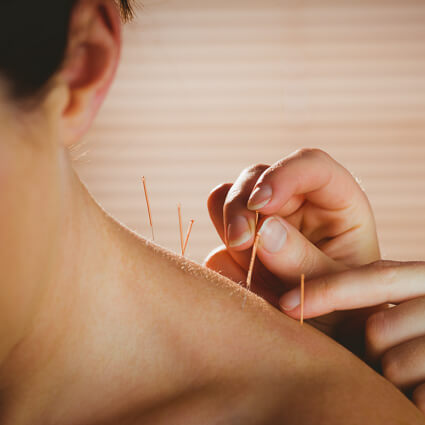
When muscle tension feels stubborn and movement starts to feel restricted, a focused, hands-on approach can make a real difference. That is where acupuncture at Health Inc Chiropractic may be a helpful option. We commonly use dry needling techniques, placing very fine, flexible needles into specific muscle trigger points to help them release, particularly when knots, referred pain patterns, or persistent tightness are limiting comfort or flexibility.
Common Conditions We May Support
We always begin with an assessment so we can identify which muscles are contributing to pain or restriction and decide whether dry needling is appropriate as part of your plan. Common reasons people choose acupuncture include:
- Myofascial pain and trigger points, including referred pain patterns
- Neck pain, lower back pain, and whiplash-related tension
- Hip and gluteal pain, including hip flexor dysfunction
- Tension-type headaches and cervicogenic headaches
- Tendon-related pain with muscle contribution, including tennis elbow, golfer’s elbow, Achilles, and rotator cuff concerns
- Calf, hamstring, or quad tightness, plus shoulder and postural stiffness
- Chronic pain patterns and nervous system sensitisation, including select fibromyalgia cases
What the Experience Feels Like
Most people find the session far more comfortable than expected. You may notice a tiny scratch as the needle goes in, a brief muscle twitch, and then a sense of the area softening. We explain what we are doing as we go, and the session is always adjusted to your comfort level.
Frequently Asked Questions
Is acupuncture the same as dry needling at your clinic?
How many sessions do people usually need?
What should I do after my appointment?
What makes your approach different?
A Targeted Option for Recovery
If you’d like a targeted approach that fits into a personalised care plan, acupuncture may be a helpful next step. Book your appointment to have a thorough assessment, understand what is contributing to your symptoms, and explore whether acupuncture belongs in your wider plan for comfort, movement, and recovery.
